 2:49
How does soil get tested? Inside a professional lab with Rutgers
Go behind the scenes at the Rutgers Soil Testing Laboratory, from the moment a sample arrives to the equipment that measures nutrients, pH and soil makeup.

Agger Grand Media
Soil science you can watch, listen to and put to work. Videos from the lab and the garden, conversations with soil experts, and practical guides for growers.
Featured partnership
We work with the Rutgers Environmental Stewards program to grow public knowledge of soil and land management in New Jersey. Together we've documented how a professional lab tests soil, and we spotlight places across the state where communities are growing more sustainably.
Learn more about the program at envirostewards.rutgers.edu.
2:49
Go behind the scenes at the Rutgers Soil Testing Laboratory, from the moment a sample arrives to the equipment that measures nutrients, pH and soil makeup.
 1:03
A 10-acre sustainability campus with community gardens, free tool rentals, bike sharing and year-round greenhouses.
Interactive Learning
Every soil on Earth fits into one of twelve diagnostic families—plus Artesols, the proposed 13th order recognizing human-altered urban soils. Explore how each forms and what it means for growing.
Curious how much you know about soil? Challenge yourself with interactive quizzes covering soil classification, organic matter, texture, and practical garden diagnostics.
 Soil testing, explained
 7:36
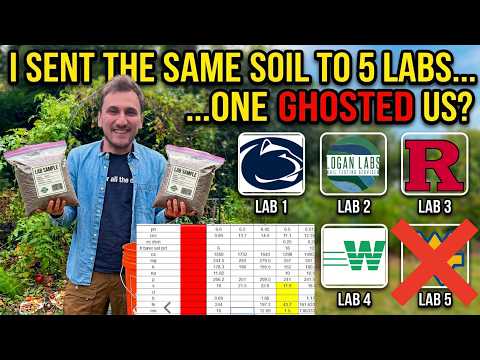
We sent the same farm soil to five labs, including Rutgers, Penn State, Ward, Logan and West Virginia, and compared cost, turnaround and results.
 15:30
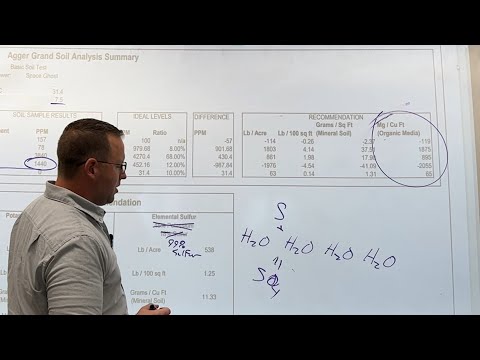
A walk through each measurement on a real report, why it matters, and how to get it into the ideal range.
 5:38
How we analyze a client's soil, what we found, and the recommendations that came out of it.
 8:16
What CEC measures and how it helps diagnose soil mineral balance.
 3:55
A look at a client's soil under the microscope and what the life in it tells us.
 2:30
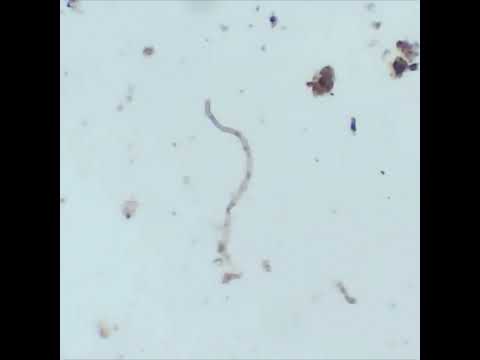
Bacteria, fungi and the rest of the soil food web, up close in a client's sample.
 The Agger Grand Podcast
 1:00:47
Soil scientist and science communicator Beverly Alvarez-Torres on salt-affected soils, remediation, AI in soil science and policy.
 1:41:32
Clay Robinson, PhD, on CEC, water, soil physics and making soil science accessible.
 1:18:25
The assistant director of Cornell's Soil Health Lab on the state of soil science and balancing leadership with motherhood.
 2:18:15
 2:17:51
 1:24:42
 1:03:10
 42:24
 Quick how-tos

Find your soil texture with a jar of water, then plug the numbers into our Texture Estimator.


 In the garden

How compost breaks down, how air and moisture shape a pile, and how to use finished organic matter with soil records and a practical nutrient plan.

Choose potting mixes with useful drainage and aeration, check root-zone moisture, avoid standing water, and keep a practical care record.

Bacteria, fungi, actinomycetes and nematodes in the soil food web, and how biological measurements connect to habitat and plant growth.

How nitrogen, phosphorus and potassium affect plant growth, and why the NPK ratio and cation exchange capacity matter for healthier soil.

How organic gardening supports healthier soil, biodiversity and nutrient-rich food while reducing harmful chemicals.

How imbalances affect plant growth, why deficiencies and excesses can occur together, and how to keep soil balanced.


